How to choose excavation equipment for water main projects

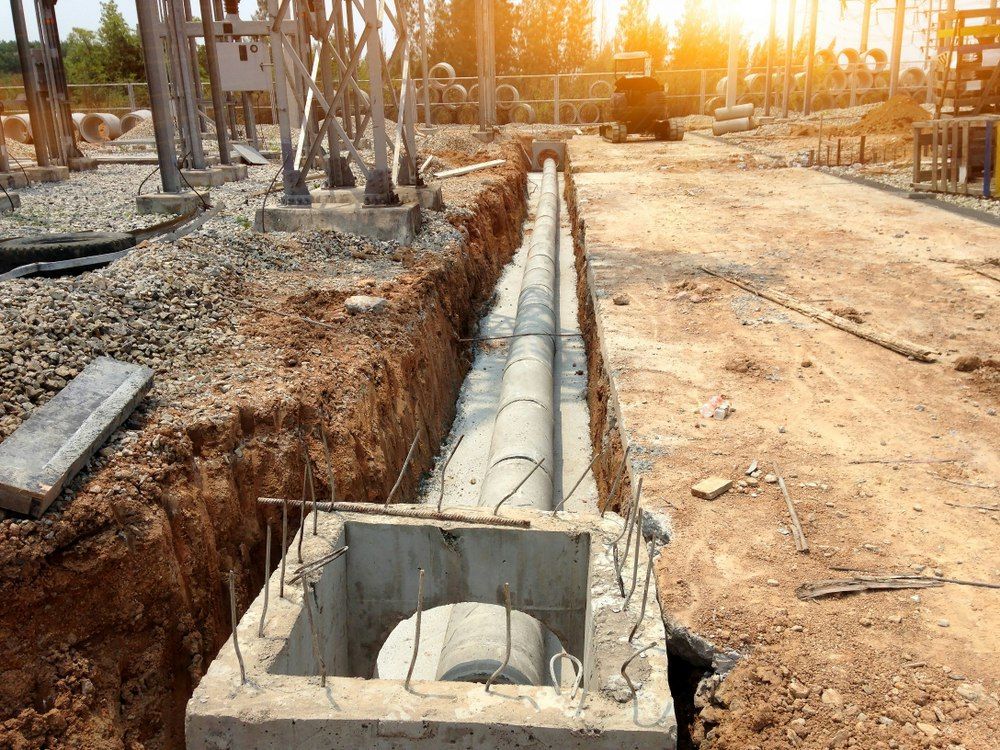
Selecting excavation equipment for water infrastructure is a project-planning decision, not simply a question of choosing the largest available machine. Access, trench dimensions, existing underground assets and the proposed working method all influence the equipment required. For civil contractors, water authorities and utility project teams in Victoria, early consideration of these factors can reduce avoidable site disruption and help coordinate the excavation sequence.
Start with the site and the excavation scope
Before choosing an excavator, define the work area, expected excavation depth, material handling requirements and available space for machinery. A narrow urban access point presents different constraints from an open civil infrastructure site. Check overhead restrictions, ground conditions, traffic movements and the space needed to store excavated material safely.
Where existing underground utilities are present, establish what information is available about their location and the controls needed before work begins. Excavator size alone does not determine how safely a trench can be opened near active services. The excavation method should reflect the risks identified during planning and the applicable asset-owner requirements.
Consider the excavator size range
Compact excavators may suit tighter work areas, whereas larger equipment can be appropriate where there is sufficient access and greater excavation or material-handling demand. Applied Civil & Water's listed fleet includes 1.7-tonne, 3.8-tonne, 8-tonne, 15-tonne and 22-tonne excavators. The appropriate choice depends on the site, reach, lifting requirements, working space and the planned work sequence.
It is useful to review machine access and spoil removal together. A compact excavator can still face delays if there is no practical route for tipper trucks or no suitable space for excavated material. Where conditions change across the site, different equipment may be appropriate at different stages rather than relying on a single machine throughout.
Plan for work around live underground services
Trenching for water mains or pipelines may involve existing electrical, telecommunications, gas, drainage or water assets. Project teams should identify relevant underground services, confirm the required controls and coordinate with asset owners as needed. Mechanical excavation is not automatically appropriate at every point along a proposed trench.
Hydro and vacuum excavation can provide another method for carefully exposing buried assets in suitable conditions. Applied Civil & Water lists a 3,000-litre Vermeer truck-mounted hydro excavation unit among its equipment. Whether non-destructive digging is the best option depends on the site conditions, asset requirements and work scope.
Decide between wet and dry plant hire
Wet hire generally includes an operator, while dry hire provides the machine without an operator. The preferred arrangement should reflect the contractor's workforce, qualifications, supervision arrangements and available equipment knowledge. Confirm who is responsible for mobilisation, fuel, site access and any required attachments before agreeing to a hire arrangement.
Ask whether the project needs a machine for a defined excavation stage or support across several stages of a civil works package. A clear scope helps align machine availability with the pipeline installation sequence and reduces confusion between the principal contractor and plant supplier.
Checklist before requesting equipment
- Describe the water main or pipeline works, including approximate excavation dimensions.
- Confirm access limitations, ground conditions and spoil removal arrangements.
- Identify known services and any requirements for non-destructive excavation.
- Outline the equipment size or reach requirements, if already specified.
- Confirm whether wet hire or dry hire is required.
- Provide the project location in Victoria and your expected work schedule.
Discuss the right approach for your project
Choosing suitable equipment begins with a clear assessment of the site and the work, especially when crews are operating near live infrastructure. Reviewing the excavation method alongside machine size and site access gives project teams a more practical basis for planning.
Contact Applied Civil & Water to discuss the scope of your pipeline or water infrastructure project and request a plant hire quote. You can also explore the company's wet and dry plant hire service for an overview of the available excavation equipment.